


What Are Digestive Bitters?
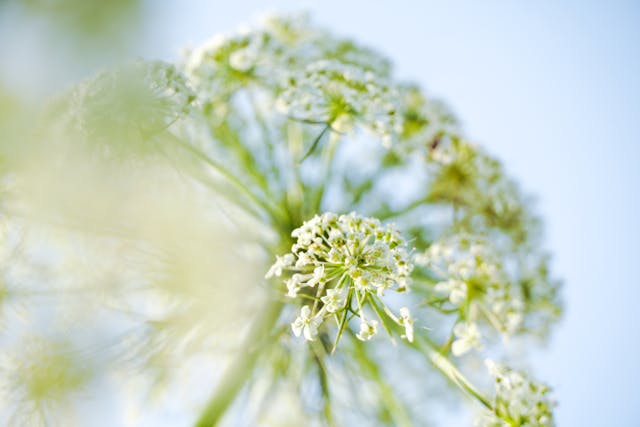
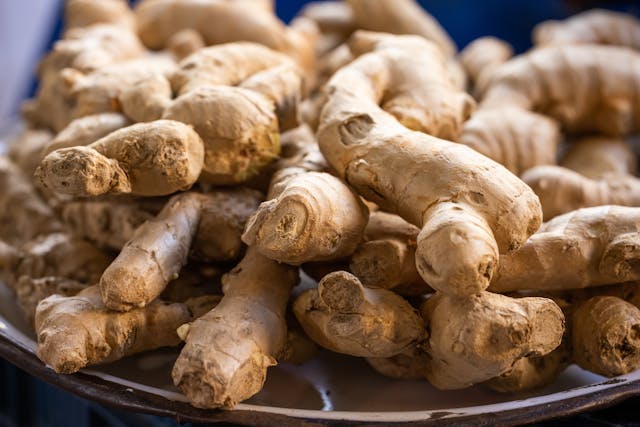
Digestive bitters are herbal preparations made by infusing bitter-tasting plants — roots, bark, leaves, flowers, and peels — into alcohol, glycerin, or water. The result is a concentrated tonic used before or after meals to support the digestive system. Common botanicals include gentian root, dandelion, artichoke leaf, angelica, wormwood, orange peel, and ginger.
The defining characteristic of bitters is, unsurprisingly, their taste. That sharp, lingering bitterness is what gives this brew it’s magic. The bitter flavor triggers a cascade of physiological responses in the digestive tract, making bitters one of the most logically intuitive herbal remedies in existence.
A Brief History of Digestive Bitters

Ancient Roots
The use of bitter herbs for digestive health is not a modern wellness trend. It stretches back thousands of years across virtually every major civilization on earth.
In ancient Egypt, papyri dating as far back as 1550 BCE document the use of bitter herbs like wormwood (Artemisia absinthium) and coriander for stomach complaints. Egyptian healers prescribed these plants for bloating, parasites, and sluggish digestion.
Traditional Chinese Medicine (TCM), which has been practiced continuously for over 2,500 years, classifies many bitter herbs — including coptis (Huanglian), gentian (Long Dan Cao), and phellodendron bark — as medicines for clearing “damp-heat” from the stomach and gallbladder. These are still widely prescribed by TCM practitioners today.
In Ayurvedic medicine, India’s ancient healing system, the bitter taste (tikta rasa) is considered one of six essential tastes necessary for balanced health. Herbs like neem, kutki, and chiretta have been used for millennia to kindle agni — the digestive fire believed to be central to all metabolic health.
Ancient Greek and Roman physicians, including Hippocrates and Dioscorides, wrote extensively about bitter herbs. Gentian root (Gentiana lutea), named after the Illyrian king Gentius who reportedly discovered its medicinal properties around 180 BCE, became a staple of European pharmacopoeias for centuries.
Medieval Europe and Monastic Medicine
During the Middle Ages, much of Europe’s herbal knowledge was preserved and developed in monasteries. Benedictine monks, in particular, cultivated elaborate medicinal herb gardens and created complex bitter liqueurs as medicines. The tradition gave rise to famous botanical liqueurs still produced today, including Bénédictine (first made in 1510) and Chartreuse (whose recipe dates to 1605). These preparations were dispensed by monastery apothecaries for digestive ailments, fever, and general weakness.
The 18th and 19th Centuries: The Golden Age of Digestive Bitters
The 18th and 19th centuries saw an explosion in commercial bitter preparations, particularly in Europe and the Americas. Traveling medicine shows peddled bitters as cure-alls. Pharmacies stocked dozens of proprietary formulas. In this era, several iconic bitters were born:
- Angostura Bitters (1824) — created by German physician Dr. Johann Gottlieb Benjamin Siegert in Venezuela as a medicinal tonic for troops of Simón Bolívar. It remains one of the best-selling bitters in the world.
- Fernet-Branca (1845) — developed in Milan, Italy, and still consumed as a digestive digestivo across Europe and Latin America.
- Swedish Bitters (Schwedenkräuter, c. 1700s) — popularized by Swedish physicians, this formula of 11 herbs became a household remedy across northern Europe, revived in the 20th century by Austrian herbalist Maria Treben.
By the late 1800s, bitters had crossed into cocktail culture in the United States, where they became a cornerstone of classic bartending. Prohibition in the 1920s disrupted the bitters market significantly, as many formulas were lost or reformulated.
The Modern Revival
The early 21st century has brought a dramatic resurgence of interest in digestive bitters, driven both by the craft cocktail renaissance and a broader consumer interest in gut health and integrative medicine. Small-batch herbal bitters companies have proliferated across North America and Europe, and functional medicine practitioners have begun recommending bitters as a low-risk, evidence-adjacent support for digestive complaints.
Cultural Variations in Bitters: Around the World
One of the most fascinating aspects of digestive bitters is how universally they have been developed, yet how distinctly different they are from culture to culture in their ingredients, preparation, and ritual of use.
Italy: The Digestivo Tradition
In Italy, bitter liqueurs called amari (singular: amaro, meaning “bitter”) are deeply embedded in food culture. Consumed after meals as digestivi, they are as much a social ritual as a health practice. Italian amari range from the moderately bitter (like Aperol and Campari, though these are technically aperitifs) to intensely medicinal preparations like Fernet-Branca, Ramazzotti, and Averna. Each region of Italy has its own formulas, often closely guarded secrets, and consuming the local amaro after Sunday dinner is a custom upheld across generations.
Germany and Central Europe: Kräuterlikör
Germany has a long tradition of Kräuterlikör (herb liqueur), with Jägermeister being the most globally recognized example. Though now marketed primarily as a party drink, it was originally formulated as a digestive aid. Underberg, a small-format German bitter, is still sold specifically for post-meal digestion. In Austria and the Czech Republic, herbal bitters like Becherovka (flavored with cinnamon and clove) follow a similarly medicinal lineage.
Latin America: Angostura and Fernet Culture
Venezuela and Trinidad are the spiritual homes of Angostura Bitters, which are used both medicinally (for upset stomachs) and culinarily, added to cocktails, juices, and even food. In Argentina, Fernet-Branca mixed with Coca-Cola (Fernet con Coca) is a beloved national drink, consumed socially but still retained in popular consciousness as an aid for digestive discomfort — a hangover cure as much as a ritual.
France: Gentiane and Alpine Bitters
France produces several beloved bitter aperitifs and digestives rooted in the gentian plant, including Suze and Salers. These are commonly drunk before meals as aperitifs to stimulate appetite — a usage that reflects the French cultural emphasis on the ritual preparation of the body for a proper meal.
Traditional Chinese and East Asian Preparations
In TCM, bitter digestive herbs are rarely taken as alcohol-based tinctures. Instead, they are most commonly prepared as decoctions — simmered teas made from dried herbs — or incorporated into patent herbal formulas in pill or powder form. The preparation is typically tailored by a practitioner to the individual’s constitution and specific digestive pattern. Common bitter digestive herbs include coptis rhizome, used for stomach heat and nausea, and immature bitter orange (Zhi Shi), used for stagnation and bloating.
Ayurvedic India: Churnas and Bitter Tonics
In India’s Ayurvedic tradition, bitter digestive herbs are commonly taken as churnas (spiced herbal powders) mixed with warm water or honey before meals. Kutki (Picrorhiza kurroa) and chiretta (Swertia chirayita) are among the most prized bitter digestives, valued for their effects on the liver and intestinal fire. Unlike Western bitters, Ayurvedic preparations are almost always formulated with complementary spices like ginger, cumin, and black pepper to balance the intensity of the bitter taste.
West Africa and the African Diaspora
Bitter herbs have long played a role in West African healing traditions. Plants like bitter leaf (Vernonia amygdalina) are consumed both as food and medicine across Nigeria, Ghana, and Cameroon, used to support digestion, reduce fever, and tonify the liver. These traditions traveled with the African diaspora to the Caribbean, where bush medicine still includes bitter decoctions for digestive and hepatic complaints.

The Benefits of Digestive Bitters
1. Stimulates Digestive Enzyme Production
The most well-documented mechanism of bitters is their ability to stimulate digestive secretions via the cephalic phase of digestion. When bitter taste receptors on the tongue (and throughout the GI tract) are activated, the nervous system triggers the release of saliva, stomach acid (HCl), bile, and pancreatic enzymes. This primes the digestive system before food even arrives, potentially improving the breakdown of proteins, fats, and carbohydrates.
2. Supports Healthy Bile Flow
Bitter herbs — particularly artichoke leaf, dandelion root, and gentian — have demonstrated choleretic (bile-stimulating) and cholagogue (bile-releasing) effects in research. Adequate bile flow is essential for fat digestion and absorption of fat-soluble vitamins (A, D, E, K), and plays a role in maintaining healthy cholesterol levels.
3. May Reduce Bloating and Gas
By improving the efficiency of digestion upstream, bitters may help reduce the fermentation of undigested food in the colon — a primary cause of bloating and gas. Some research suggests bitter compounds also have direct spasmolytic (muscle-relaxing) effects on the intestinal wall, easing cramping and discomfort.
4. Supports Liver Function
Many bitter herbs are classified as hepatics — herbs that support liver health. Dandelion root, milk thistle, artichoke, and gentian have all shown hepatoprotective properties in laboratory and animal studies, and some human trials support their use for mild liver support and improved liver enzyme profiles.
5. May Help Regulate Appetite
Bitter taste receptors in the stomach and intestine trigger the release of hormones involved in satiety signaling, including cholecystokinin (CCK). Some research suggests that activating these receptors with bitters before meals may support healthy appetite regulation and reduce overeating. Conversely, taken before meals, bitters have traditionally been used to stimulate appetite in those with poor appetite, as they increase gastric secretions.
6. May Ease Heartburn and Reflux
This may seem counterintuitive, but low stomach acid — not excess — is believed by many integrative practitioners to be a common driver of heartburn and reflux. By stimulating adequate acid production, bitters may help normalize the digestive environment. However, this is not universal, and individuals with confirmed excess acid or erosive esophagitis should proceed with caution (see warnings below).
7. Supports a Healthy Gut Microbiome
Bitter compounds, particularly polyphenols found in plants like dandelion and artichoke, act as prebiotics — feeding beneficial bacteria in the gut. A well-nourished microbiome is associated with better digestion, immune function, mood regulation, and systemic inflammation control.
8. Traditional Support for Nausea
Gentian, ginger (a common bitters ingredient), and several other bitter herbs have been used traditionally — and supported to varying degrees by research — for the relief of mild nausea, including motion sickness and morning sickness.
How to Take Digestive Bitters
Standard Dosage Guidelines
There is no universal dosing standard for bitters, as formulas vary widely. However, general guidance is as follows:
Liquid Tinctures (most common form):
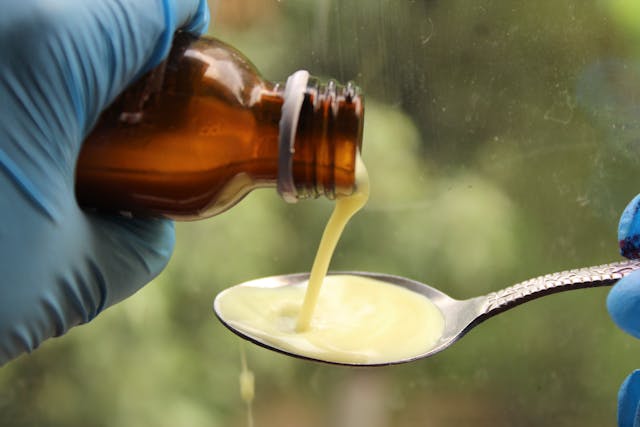
- Typical dose: 1–2 ml (approximately 20–40 drops, or ¼ to ½ teaspoon)
- Timing: 15–30 minutes before meals to stimulate digestive secretions, or immediately after meals to aid in digestion of what was eaten
Aperitif/Digestif Liqueurs (traditional European style):
- Typical serving: 1–2 oz (30–60 ml), either neat, over ice, or mixed with sparkling water
- Timing: Before the meal as an aperitif (to stimulate appetite) or after the meal as a digestif
Herbal Teas (decocted bitters, TCM and Ayurvedic style):
- Prepared per practitioner guidance or product instruction
- Typically consumed warm, 20–30 minutes before eating
Capsules or Tablets:
- Follow manufacturer’s dosing instructions
- Less effective than liquid preparations, as the bitter taste itself is part of the mechanism — bypassing taste receptors reduces efficacy
Tips for Best Results
- Do not chase with a sweet drink immediately. The bitter taste must linger on the tongue to fully activate the cephalic digestive response. Wait at least a minute before eating or drinking.
- Consistency matters. Many of bitters’ benefits build over time with regular use, particularly effects on bile flow and gut microbiome composition.
- Start low. If you are new to bitters, begin with a small dose and increase gradually to assess your tolerance.
- Choose quality products. Look for formulas that list all herbal ingredients and ideally are certified organic or made from wildcrafted herbs.

Who Should Not Use Digestive Bitters
While bitters are generally considered safe for healthy adults, there are important contraindications and cautions to be aware of.
Do Not Use Bitters If You:
- Have active gastric or duodenal ulcers. Bitters stimulate stomach acid production, which can aggravate ulcers and delay healing.
- Have been diagnosed with gastroesophageal reflux disease (GERD) with confirmed excess acid. Stimulating further acid production can worsen symptoms significantly.
- Have gallstones or a blocked bile duct. Bitters stimulate bile release, which can trigger painful gallstone attacks or worsen biliary obstruction.
- Are pregnant. Many bitter herbs — including wormwood, angelica, and gentian in large doses — are contraindicated in pregnancy due to potential uterine-stimulating or abortifacient effects. Specific formulas should always be reviewed with a qualified healthcare provider.
- Are breastfeeding. Some bitter compounds pass into breast milk; professional guidance is recommended.
- Have a known allergy to plants in the Asteraceae/Compositae family (ragweed, chrysanthemums, marigolds, daisies). Many common bitters botanicals — including chamomile, artichoke, and dandelion — belong to this family and may cause allergic reactions.
Use With Caution If You:
- Take pharmaceutical medications. Several bitter herbs, particularly those with liver-stimulating effects, can influence the CYP450 enzyme system in the liver, potentially affecting how medications are metabolized. This is especially relevant for blood thinners, diabetes medications, and certain psychiatric drugs. Always consult your prescribing physician or a clinical herbalist before combining bitters with medications.
- Have Crohn’s disease, irritable bowel disease (IBD), or other active inflammatory bowel conditions. The stimulating effects of bitters may aggravate acute flares.
- Have liver disease. While some bitter herbs are hepatoprotective, others (particularly those containing high levels of pyrrolizidine alkaloids or certain tannins) can be hepatotoxic at high doses. Individuals with serious liver conditions should use bitters only under professional supervision.
- Are sensitive to alcohol. Most commercial liquid bitters are alcohol-based (often 35–45% ABV). Alcohol-free glycerite formulations are available for those who avoid alcohol.
- Have diabetes or hypoglycemia. Some bitter herbs can lower blood sugar; monitor carefully and consult your healthcare provider.
Digest Bitters Warnings and Safety Notes
- Wormwood (Artemisia absinthium), a classic bitters ingredient, contains thujone, a compound that is neurotoxic in large amounts. Most commercial bitters contain only trace amounts, well within safe limits, but high-dose or prolonged use of wormwood specifically should be avoided.
- Quality control varies widely in the herbal supplement industry. Choose bitters from reputable manufacturers that use third-party testing, clearly list all ingredients, and ideally hold certifications from recognized bodies (USDA Organic, NSF, etc.).
- Bitters are not a substitute for medical care. They are a complementary support for digestive wellness, not a treatment for diagnosed gastrointestinal conditions. If you are experiencing significant or persistent digestive symptoms, consult a healthcare professional.
- Drug interactions are possible and should not be underestimated. Always disclose your use of herbal bitters to your doctor or pharmacist.

Frequently Asked Questions
Are digestive bitters the same as cocktail bitters? Many are — Angostura, Peychaud’s, and similar products were originally medicinal and retain some of their digestive botanicals. However, concentrations vary, and cocktail bitters are typically used in much smaller amounts (a few dashes) than therapeutic doses.
How long does it take for bitters to work? The immediate effects (appetite stimulation, triggered digestive secretions) occur within minutes. Longer-term benefits for gut microbiome and liver function may take several weeks of consistent use.
Can children take bitters? Generally, alcohol-based bitters are not appropriate for children. Some glycerite (glycerin-based) formulas with gentle herbs like chamomile and ginger may be appropriate in small doses, but consult a pediatric healthcare provider.
Can I make my own bitters at home? Yes — DIY bitters are a popular practice. A basic formula involves infusing dried bitter herbs (gentian root is the classic base) in high-proof alcohol for 2–4 weeks, then straining and optionally adding flavoring herbs. Numerous reputable recipes are available from herbalists.

Conclusion
Digestive bitters represent one of humanity’s oldest and most cross-culturally validated approaches to gut health. From the gentian-root preparations of ancient Greece to the monastery liqueurs of medieval Europe, from Ayurvedic churnas to Italian amari, the bitter taste has been trusted for millennia to awaken the digestive fire.
Modern interest in gut health has brought renewed attention to these time-honored preparations, and while rigorous clinical trials are still catching up to traditional knowledge, the mechanistic rationale for bitters — stimulating digestive enzymes, bile flow, and beneficial gut bacteria — is well-grounded in physiology.
For most healthy adults, taking a small amount of quality digestive bitters before or after meals is a low-risk, potentially meaningful addition to a digestive wellness routine. As with any herbal supplement, individual circumstances vary, and those with pre-existing conditions or taking medications should consult a qualified healthcare provider before beginning regular use.
This article is for informational purposes only and does not constitute medical advice. Always consult a licensed healthcare professional before starting any herbal supplement regimen.