

Your body deserves honesty — and so does your grocery cart.
If you’ve ever struggled with unexplained headaches, restless nights, a child who can’t seem to settle, or a gut that never quite feels right — you’re not imagining things. For many people, the answers aren’t hiding in some mysterious place. They’re listed right there on the back of a cereal box, a juice pouch, or a bag of candy, tucked quietly into an ingredients list most of us were never taught to read.
Artificial food coloring is one of the most widely used — and least discussed — additives in the modern food supply. These synthetic dyes make our food look bright, fun, and appetizing. But beneath that cheerful rainbow, research is beginning to reveal a less colorful story.
This article isn’t meant to frighten you. It’s meant to inform you, gently and honestly, so you can make choices that truly support your health and the health of the people you love.
What Are Artificial Food Dyes?
Artificial food dyes are synthetic chemicals — most derived from petroleum — used to enhance or add color to processed foods. The most commonly used in the United States include:
- Red 40 (also called Allura Red)
- Yellow 5 (Tartrazine)
- Yellow 6 (Sunset Yellow)
- Blue 1 (Brilliant Blue)
- Blue 2 (Indigo Carmine)
- Red 3 (Erythrosine)
- Green 3 (Fast Green)
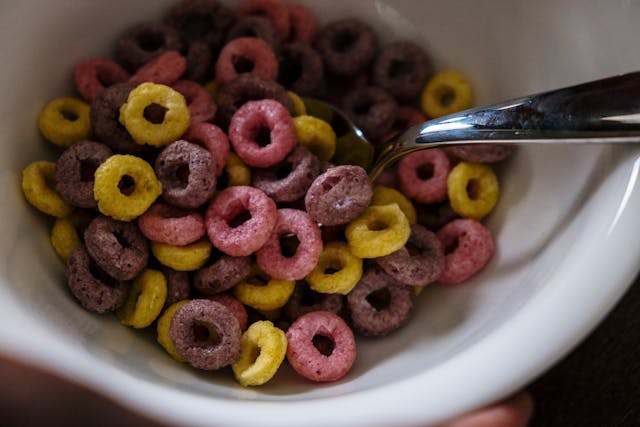
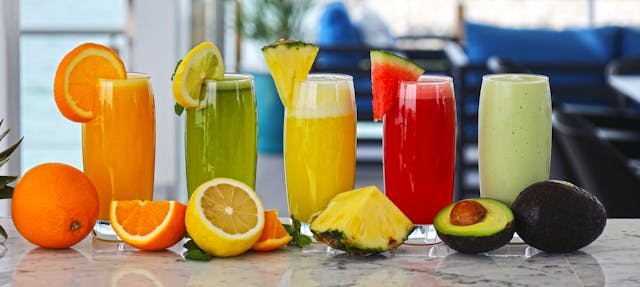
You’ll find them in everything from sports drinks and breakfast cereals to medications, vitamins, and even some pickles. They are even in items that are naturally colored to enhance desirability. If something looks extra bright and beautiful, it might be artificially enhanced.
The European Union requires warning labels on foods containing several of these dyes. The United States currently does not.
That gap in policy is worth pausing on — and it’s part of why this conversation matters.
7 Dangerous Health Effects of Artificial Food Coloring
1. Hyperactivity and Behavioral Changes in Children
This is perhaps the most researched and widely known concern. Studies have consistently found a link between artificial food dyes and increased hyperactivity, impulsivity, and inattention in children — including children who do not have an ADHD diagnosis.
A landmark 2007 study published in The Lancet found that children who consumed a mixture of common artificial dyes showed significantly increased hyperactive behavior compared to those who did not. The results were striking enough that the UK’s Food Standards Agency recommended that manufacturers voluntarily remove these dyes from their products — and many did.
For parents who have watched their child struggle to focus, to sit still, to regulate their emotions — and who have felt the weight of not knowing why — this research offers something important: it’s not just you, and it’s not just them. What your child eats may be playing a real role in how they feel and behave.
2. Allergic Reactions and Sensitivities
Artificial dyes, particularly Yellow 5 (Tartrazine), are known to trigger allergic reactions in sensitive individuals. Symptoms can include:
- Hives and skin rashes
- Runny nose and congestion
- Itching and swelling
- In rare cases, anaphylaxis
For people who already live with allergies or autoimmune conditions, the body is often already in a heightened state of alert. Adding chemical irritants through food can tip the scales in ways that feel confusing and exhausting to manage — especially when the source is hard to identify.
If you’ve ever thought why does my skin flare after certain meals? or why do I feel congested after eating things that shouldn’t bother me? — artificial dyes may deserve a closer look.

3. Gut Disruption and Digestive Distress
Your gut is far more than a digestive organ. It’s home to trillions of microorganisms that regulate immunity, mood, inflammation, and more. Emerging research suggests that synthetic food dyes can disrupt the gut microbiome — the delicate community of bacteria that keeps your body in balance.
Some studies indicate that dyes like Red 40 and Yellow 6 may promote intestinal inflammation and alter the gut lining, potentially contributing to conditions like leaky gut, irritable bowel syndrome (IBS), and inflammatory bowel disease (IBD).
For those who carry trauma in the body — and many of us do — the gut is often a primary site of stress response. Chronic digestive distress can deepen a sense of unsafety in the body. Reducing unnecessary chemical exposure is one gentle, practical way to begin supporting gut health from the inside out.

4. Anxiety, Mood Disruption, and Nervous System Dysregulation
There is a powerful, bidirectional connection between what we eat and how we feel emotionally. The gut-brain axis — the communication highway between your digestive system and your brain — means that gut inflammation doesn’t stay in the gut. It shows up as brain fog, irritability, anxiety, and low mood.
Certain food dyes have been shown to interfere with neurotransmitter activity. Tartrazine (Yellow 5), for instance, has been linked in some studies to anxiety and sleep disturbances. For individuals already navigating depression, anxiety, or trauma responses, these chemical influences may quietly amplify symptoms that are already difficult to carry.
Your nervous system is working hard. It deserves food that supports it — not chemicals that work against it.
5. Potential Carcinogenicity
This is the area where language must be careful and honest: the research is still developing, and no food dye currently approved in the U.S. has been definitively proven to cause cancer in humans. However, the picture is concerning enough to warrant attention.
Red 3 (Erythrosine) was actually banned by the FDA in cosmetics in 1990 after it was found to cause thyroid tumors in male rats — yet it remains permitted in food to this day, found in maraschino cherries, some candies, and certain medications.
Red 40 and Yellow 5 have been found in some studies to contain or break down into compounds that are potential carcinogens or mutagens. The question of long-term, cumulative exposure — particularly for children who consume these dyes daily — remains an open and important one.
You are allowed to apply the precautionary principle here. When something hasn’t been proven safe, especially for growing bodies, caution is not fear — it’s wisdom.
6. Migraines and Neurological Symptoms
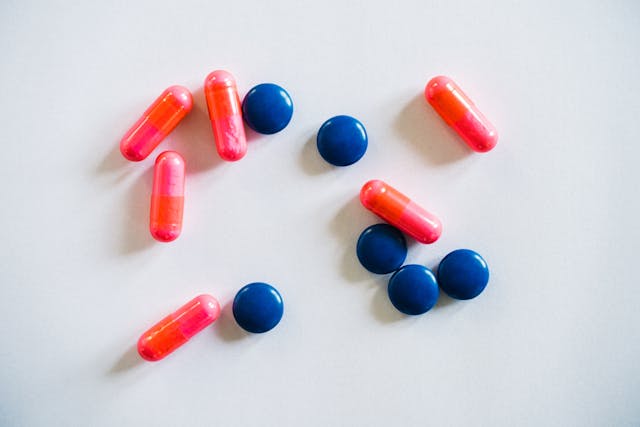
For migraine sufferers, food triggers are a well-documented reality. Artificial food dyes — particularly Red 40 and Yellow 5 — have been reported by many individuals as consistent migraine triggers.
While this connection is more established through patient reporting and smaller studies than large clinical trials, the pattern is real and recognized enough that neurologists often include dye elimination in their dietary recommendations for migraine management.
Chronic migraines are debilitating. They affect work, relationships, presence, and quality of life. If you’ve been managing migraines without full relief, examining your dye consumption is a low-risk, potentially high-reward step worth taking.
7. Sleep Disruption
Sleep is the body’s primary opportunity to heal, consolidate memory, regulate emotion, and restore the nervous system. Disrupted sleep — particularly in children — has cascading effects on mood, behavior, immunity, and development.
Research and parental observation alike have noted that artificial food dyes, especially when consumed in the hours before bed, can interfere with the ability to fall asleep and stay asleep. This may be related to their effects on neurotransmitter regulation and nervous system activation.
For trauma survivors, sleep is already often compromised. Hypervigilance, nightmares, and difficulty settling are common. Supporting the body’s ability to rest is a meaningful act of care — and removing unnecessary chemical stimulants from the diet is one way to do that.

What You Can Do
This isn’t about perfection. It’s about awareness, and taking one small step at a time.
Here are some gentle starting points:
- Read ingredient labels. Look for the word “dye,” or any color followed by a number (Red 40, Yellow 5, etc.).
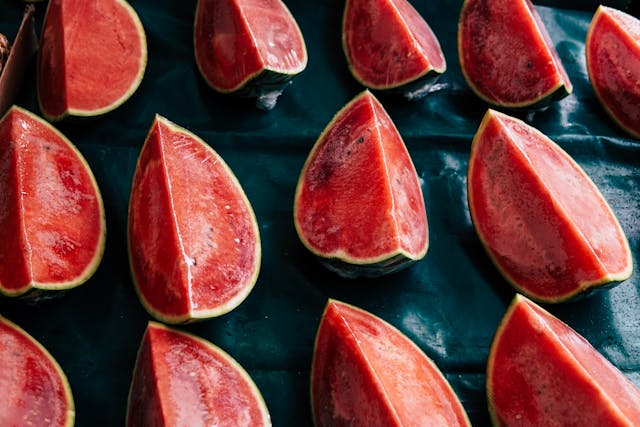
- Prioritize whole foods where possible — fruits, vegetables, grains, and proteins that are naturally colored by nature while being aware that some natural foods (particularly watermelon) may be artificially colored.
- Try an elimination period. Some families see meaningful changes in behavior, mood, and sleep within 2–4 weeks of removing artificial dyes.
- Look for “dye-free” alternatives. Many brands now offer versions of popular products without synthetic coloring. The food exists — sometimes we just have to look a little harder.
- Talk to your integrative trauma coach or a functional medicine practitioner if you suspect dyes are contributing to symptoms. You deserve to be taken seriously.

A Final Word on Artificial Food Coloring
The food system we live in was not designed with your nervous system, your gut health, or your child’s developing brain at the center. That’s not a reason for despair — it’s a reason to be informed because there is no outside overseer safeguarding your health.
You are your own best advocate. And the more you know about what’s in your food, the more power you have to make choices that align with how you want to feel — calm, clear, connected, and well.
Your health is worth reading the label for.
If you found this article helpful, share it with someone you care about. Knowledge shared is care given.