

You know something is wrong. Your body is telling you so. But your doctor just handed you a clean bill of health — or worse, suggested it’s all in your head. Here’s what to do next.

You Are Not Imagining It
If you’ve walked out of a doctor’s office feeling unheard, dismissed, or even gaslit, you are far from alone. Millions of people — particularly those with chronic, complex, or “invisible” illnesses — spend years cycling through appointments only to be told their labs are normal, their symptoms are stress, or that they simply need to lose weight and sleep more.
The medical system is extraordinarily good at acute care. But it often struggles with the gray zones: conditions that don’t show up on standard bloodwork, symptoms that cross multiple systems, or health challenges that sit at the intersection of body, mind, and spirit. If your experience falls into that gray zone, you may need to become your own most powerful advocate.
This guide will walk you through exactly how to do that.

Why Doctors Dismiss Patients — And Why It’s Not Your Fault
Understanding why dismissal happens can help you navigate it without internalizing the shame that often comes with it.
The 7-minute appointment problem. The average primary care visit in the United States lasts between 7 and 15 minutes. That is not enough time to hear a complex symptom history, much less investigate it. Doctors working within this system are making rapid decisions under pressure — and unusual presentations often get filed under “anxiety” or “lifestyle” simply because there isn’t time for anything else.
The pattern-matching trap. Medical training teaches providers to recognize patterns. When your symptoms don’t fit a known pattern cleanly, some providers default to disbelief rather than curiosity. This is especially common with conditions like fibromyalgia, mast cell activation syndrome, dysautonomia, Lyme disease, mold illness, and autoimmune conditions that are still poorly understood by mainstream medicine.
Systemic bias. Research consistently shows that women, people of color, and people in larger bodies are more likely to have their symptoms minimized or attributed to psychological causes. If you belong to one or more of these groups, dismissal may be compounded by systemic bias — and that is a failure of the system, not a reflection of your reality.
The mind-body disconnect. Conventional medicine has long separated physical symptoms from emotional and spiritual wellbeing. Holistic and integrative health perspectives recognize that these cannot be meaningfully separated — but many conventional providers have not caught up. Symptoms that originate in or are worsened by stress, trauma, or energetic imbalance are still real symptoms that deserve real attention.

Step 1: Trust Your Body First
Before you take any external action, take a moment to reaffirm something important: your body is not lying to you.
Symptoms are communications. Whether they originate in organ dysfunction, nervous system dysregulation, energetic imbalance, or unresolved emotional patterns, they are real signals asking for attention. The fact that a test came back “normal” does not mean nothing is wrong — it means the test didn’t find what it was looking for, or wasn’t looking in the right place.
Holistic health frameworks — whether you work with Chinese medicine, Ayurveda, functional medicine, or energy healing — all share this foundational truth: the body speaks, and it is worth listening to.
Practical steps to honor your body’s signals:
- Keep a detailed symptom journal. Note timing, triggers, severity, and any patterns you notice across sleep, food, stress, weather, or cycle phases.
- Track your symptoms in relation to your environment. Mold exposure, electromagnetic sensitivity, and seasonal shifts affect more people than conventional medicine acknowledges.
- Note what makes you feel better or worse, even if the connections seem strange or unscientific. These patterns matter.

Step 2: Document Everything
One of the most powerful things you can do before your next appointment — or when seeking a new provider — is to arrive fully prepared.
Build your symptom timeline. When did you first notice something was off? What was happening in your life at that time? Have symptoms evolved, spread, or changed in character? A clear timeline helps a thoughtful provider see the arc of what’s happening in your body.
Bring your records. Request copies of all your labs, imaging, and clinical notes. You are legally entitled to these. Review them carefully — sometimes abnormalities that a provider dismissed as “within range” are actually meaningful, especially when viewed in the context of your full picture.
Write out your top concerns in advance. Studies show that patients who write down their questions and hand them to providers at the start of an appointment get more of their concerns addressed. Keep your list focused: three to five key concerns, clearly stated.
Use precise, body-based language. Instead of “I feel terrible,” try “I experience crushing fatigue that begins within two hours of eating, combined with joint pain that migrates between my hands and knees.” Specificity makes dismissal harder.
Step 3: Seek a Second — or Third — Opinion
If your provider has dismissed you, it is not only acceptable to seek another opinion — it is necessary. This is not disloyalty. This is self-advocacy.
Look for providers who specialize in complex or chronic illness. These include:
- Functional medicine doctors who look at root causes rather than symptom suppression
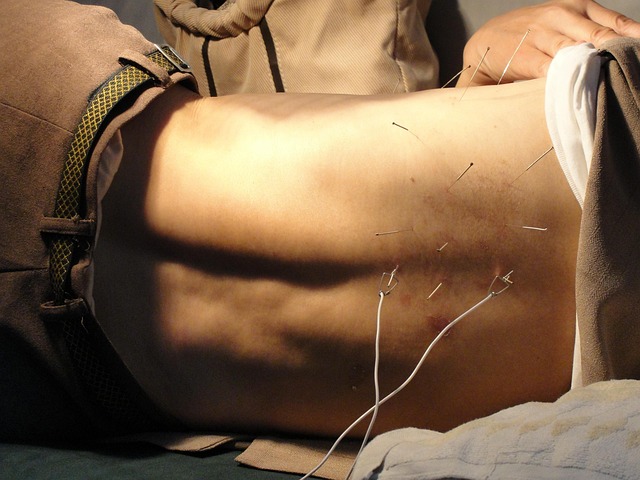
- Acupuncturists who by their nature are already holistic
- Integrative medicine physicians who bridge conventional and holistic approaches
- Naturopathic doctors (NDs) who take extensive health histories and consider the whole person
- Osteopathic physicians (DOs) trained in a more whole-body framework
- Specialists in dysautonomia, mast cell disorders, Lyme disease, or autoimmune conditions if your symptoms point in those directions
Consider looking outside your immediate area. Telehealth has made it possible to consult with specialists anywhere in the country. Some of the most knowledgeable practitioners in complex chronic illness are reachable virtually.
Seek providers who listen. In your first interaction — even just a phone call with a patient coordinator — notice whether the practice seems open to complexity. Do they have experience with patients who have “normal” labs but significant symptoms? Do they dismiss alternative health perspectives, or are they open to an integrative approach?

Step 4: Explore Holistic and Integrative Testing
Conventional labs test for what conventional medicine knows to look for. There is a growing body of specialized testing that can reveal patterns standard bloodwork misses entirely.
Consider asking about or seeking:
- Comprehensive thyroid panels that go beyond TSH to include Free T3, Free T4, Reverse T3, and thyroid antibodies
- Organic acids testing to assess mitochondrial function, gut health, and nutrient status
- Mycotoxin testing if you’ve ever lived or worked in a water-damaged building
- Comprehensive stool analysis to assess gut microbiome balance, inflammation, and pathogen presence
- Heavy metal testing via urine provocation or hair tissue mineral analysis
- Hormone panels that go beyond standard ranges to capture nuanced imbalances
- Connective tissue and autoimmune panels if you have joint hypermobility, skin changes, or multi-system symptoms
Many of these tests are available through functional medicine practitioners, naturopathic doctors, or directly through patient-ordered lab services. Some (like Lyme) are even available online without a doctor’s order.

Step 5: Build Your Holistic Health Team
Healing rarely happens through a single modality or a single provider. If conventional medicine has not been able to help you, this is an invitation to build a broader, more integrative support system.
Consider adding to your care team:
- Acupuncturists trained in Chinese medicine who can read your body’s energetic patterns
- Herbalists who work with plant medicine to support organ systems and resilience
- Somatic therapists who work with the nervous system and body-stored trauma
- Energy healers — whether Reiki practitioners, shamanic healers, or others aligned with your spiritual path
- Nutritionists or functional dietitians who understand the connection between food, inflammation, and symptoms
- Chiropractors or osteopaths who work with structural alignment and nervous system regulation
From an animist perspective, illness is often an invitation toward wholeness — a signal that something in the relationship between self, community, and the living world has become unbalanced. The healing path may involve not only physical intervention but a return to right relationship with your body, your environment, and the more-than-human world around you.
Step 6: Know Your Rights as a Patient
You have more power than you may realize within the medical system.
You can:
- Request a referral to any specialist — and appeal if it’s denied
- Ask for your provider’s reasoning in writing
- File a complaint with your state medical board if you feel you’ve received substandard care
- Request that your symptoms and your concerns be documented in your medical record, even if your provider disagrees with your interpretation
- Choose to leave a provider relationship at any time and for any reason
If you are in a managed care system, you can request a case manager if your situation is complex, appeal denials of specialist referrals, and ask to speak with a patient advocate at your insurance company.

Step 7: Protect Your Mental and Emotional Health
Being chronically dismissed is traumatic. It erodes trust — in the medical system, in other people, and sometimes in yourself. Tending to your emotional wellbeing is not separate from healing your physical symptoms. It is part of the same process.
Validate your experience. You do not need a diagnosis to deserve care. You do not need someone else to confirm your suffering for it to be real.
Find community. Online communities of people with similar symptom patterns — dysautonomia groups, mold illness forums, Lyme communities, chronic illness spaces — can be invaluable sources of practical information, provider recommendations, and emotional support from people who truly understand.
Work with a trauma-informed therapist. Not because your symptoms are “in your head,” but because navigating the medical system with unexplained illness is genuinely traumatic, and having support matters. Look for somatic or body-based approaches that honor the mind-body-spirit connection.
Return to your spiritual practice. Whether that means time in nature, ritual, prayer, meditation, or communion with the more-than-human world, your spiritual resources are real resources. Do not neglect them in the urgency of the medical search.

Red Flags: When to Push Harder (or Leave Faster)
Some situations call for more urgent action. Seek a different provider immediately if your current provider:
- Dismisses your symptoms without any investigation
- Attributes all of your symptoms to anxiety or depression without ruling out physical causes
- Makes you feel shame about your body, weight, lifestyle, or mental health
- Refuses to order testing you have reasonable grounds to request
- Discourages you from seeking a second opinion
- Does not document your concerns in your medical record
You deserve a provider who takes you seriously. That provider exists. Keep looking.
A Note on the Language of “It’s All in Your Head”
This phrase — and its many variants — carries tremendous harm. The implication is that suffering without a clear physical cause is somehow lesser, more suspect, or self-generated. This is false on every count.
The brain and body are not separate. Neurological, psychological, and physical symptoms arise from the same interconnected system. “Psychosomatic” does not mean “not real” — it means arising from the complex interplay of psyche and soma, mind and body. Many of the most debilitating conditions recognized by medicine today — including fibromyalgia, irritable bowel syndrome, and complex regional pain syndrome — were once dismissed as psychosomatic and later found to have clear physiological underpinnings.
If you have been told your symptoms are in your head, hear this: your experience is real, your symptoms deserve investigation, and you are not alone in this fight.

Closing: You Are Your Own Best Healer
The medical system, at its best, is one tool in a much larger kit. When it fails you — and for many people with complex, chronic, or energetically rooted illness, it will — that failure is not the end of your story.
You are the one who lives in your body. You are the one who notices the patterns, tracks the changes, and senses the signals. No test result, no diagnosis, and no dismissal can take that knowing away from you.
Build your team. Seek providers who listen. Explore the full range of healing modalities available to you. Return to your body, your community, and the living world as sources of wisdom. And trust that healing — in whatever form it takes — is possible.