


Your gut isn’t just where digestion happens—it’s where signals get generated. The trillions of microbes living in your intestines help shape digestion, immune balance, and even the way your brain responds to stress. That’s why people are increasingly interested in “tuning” their gut ecosystem with targeted probiotics.
And the most exciting part? You may be able to create a live L. reuteri yogurt at home through fermentation—like a kitchen project with a wellness payoff.

Why this matters for gut health (and mood)
The gut-brain connection is real: when your gut environment shifts—through diet, sleep, stress, antibiotics, or chronic inflammation—your nervous system and mood can feel the ripple effects. Probiotics aren’t magic, but some strains may help support a more balanced gut environment, which can influence bloating, comfort, and how regulated you feel day-to-day.
L. reuteri is one of the strains people often target because it has been studied in relation to gut function and, indirectly, to outcomes tied to well-being. The goal isn’t to “add bacteria and hope”—it’s to support a healthier ecosystem.
What L. reuteri is (and why targeted beats random)
Most store-bought probiotics are blends. That can be fine, but if you’re trying to address a specific target, a single-strain approach can feel more focused.
Lactobacillus reuteri (often shortened to L. reuteri) is a lactic-acid bacteria that can survive passage through the gut more effectively than many other microbes, depending on the formulation and your gut environment. At home, fermentation is a way to culture a live microbial product—what you’re making should be used as a living food, not a shelf-stable supplement.
The aim: improve the gut environment, not just take something
If you’re expecting instant transformations, you’ll likely be disappointed. Gut ecosystem changes typically take time. Think in terms of weeks, not days. Also, the probiotic works best when your overall gut environment is supportive: adequate fiber, enough food volume for beneficial microbes to thrive, fresh alive foods (vs. processed foods), and less disruption (like repeated antibiotic use) during your trial.
If you do everything “right,” you still might not “feel different.” That’s not a failure. Monitoring your gut comfort and consistency is how you judge whether it’s a fit.
The “Super Gut” style DIY concept—explained simply
At-home culturing usually means:
- Start with a reliable starter source (a culture that contains L. reuteri).
- Use fermentation conditions that allow the bacteria to grow and produce an acidic, stable environment.
- Keep it clean so you don’t accidentally culture the wrong microbes.
- Use it quickly and store it correctly to preserve live bacteria.
Different DIY methods exist, including fermenting yogurt-like bases or using a specific starter preparation. The safest path is to follow a method that matches your exact starter and instructions, because fermentation success depends heavily on strain, ingredients, temperature, and timing.
What you need (kitchen checklist)
Before you start, gather:
- A starter that clearly includes L. reuteri A link to the brand I use is right here. It IS expensive, but since you’re growing your own, you only have to buy it once AND you don’t have to spring for the bottle bigger numbers or more capsules.
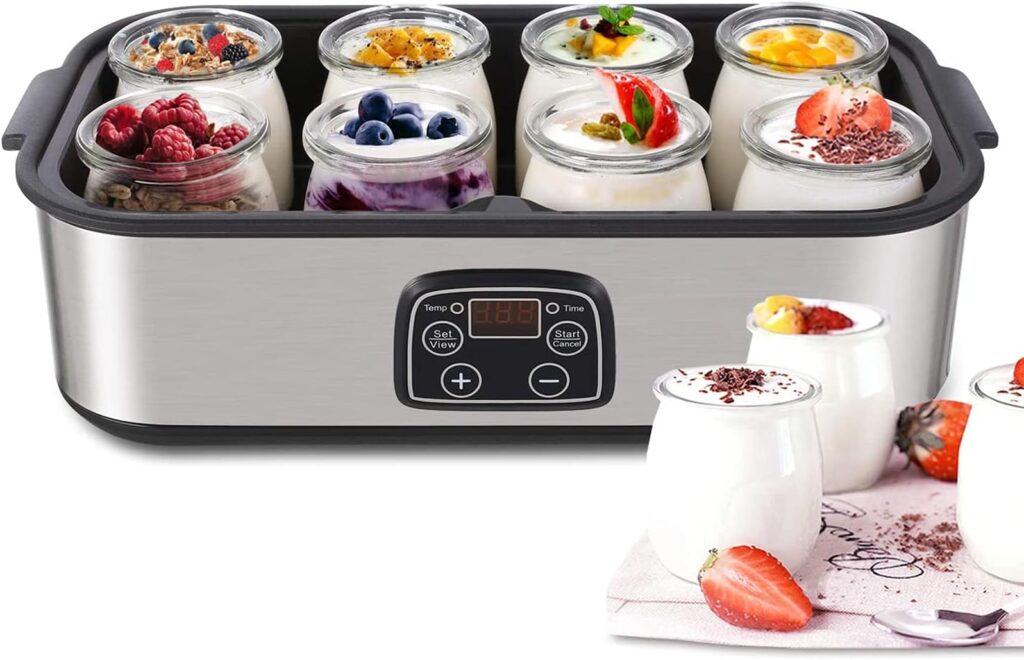
- A yogurt maker. This is the one I use. You can use a crock and a thermometer, but you don’t have to monitor a yogurt maker. A yogurt maker also producers more consistent results, so I prefer this. This particular one is often on sale. Watch the price!
- Inulin.
- 2 T. Half-n-half or heavy cream
- Whole milk (never 2%, 1%, almond milk, or any other type of milk) The amount will vary depend upon the size of your fermentation vessel.
Sanitation matters. Wash jars thoroughly and dry them completely. Don’t “wing it” with questionable cleanliness.

Step-by-step: make your first batch
There are many ways to make yogurt that largely depend upon the strain of probiotics that you are using. It took me three tries to get it right and consistent, so if you don’t succeed the first time, try again by adjusting the temperature, cleanliness, amount of starter culture, or fermentation time.
1) Prep
- Starting temperature matters. Some people heat the milk first because this breaks down proteins and results in a creamier yogurt. Starting with too warm milk can kill the cultures or speed fermentation up, resulting in “off” flavor. So, if you do this, make sure to cool the milk to room temperature before adding the culture. If the milk is straight from the fridge, this could stall fermentation, either increasing fermentation time or stalling it altogether. I solve this problem by setting my milk out on the counter in a sealed container, allow it to come to room temperature, and then use it. Do you. Of course, starting with high quality milk yields a better product, so consider organic milk that has not be ultra pasteurized and is not contained in plastic.
- Clean and dry your jar(s).
- Get everything ready so you can work efficiently and keep things from warming/cooling unpredictably.
2) Combine your base and starter
- Open one capsule of MyReuteri and 1 teaspoon of inulin in a big bowl. If you’re using a different culture or a different brand, the amount may vary.
- Mix 2 Tablespoons of Half-n-Half or heavy cream into the culture and mix well. This is important so you don’t get clumps.
- Add the rest of the milk and stir well.
- Pour into your fermentation vessel (jars, crock, etc.)
3) Ferment
- Set your yogurt maker to 98 degrees. Keep the jar at your target temperature.
- Fill the vessel with water so that it can maintain temperature.
- Put the lid on.
- Set the timer for 8 hours.
- Leave it undisturbed for the recommended time window.
- Observe (you’ll usually see changes in aroma/texture). If it smells “off” in a way that worries you, don’t use it.
4) Finalize and store
- Once fermentation is complete, put the jars in the refrigerator and wait. The yogurt will firm up with time.
- Label the jar with the date and batch notes.
5) Taste/smell test (important)
A successful ferment generally has a tangy, fermented smell. Products that smell putrid, moldy, or like something you wouldn’t eat should be discarded. If you’re unsure, err on the side of safety.
How to store it and when to use it
Live cultures degrade over time, especially if stored warm. The practical approach:
- Use sooner rather than later for best live counts.
- Keep it cold if your method suggests refrigeration.
- Don’t repeatedly warm and cool it unnecessarily.

How to take it (a simple starter protocol)
For a first run, think conservative and consistent.
A practical structure:
- Start with a small dose daily for a few days.
- If you tolerate it well, increase to your target dose.
- Run the trial for several weeks to assess gut comfort and mood/stress resilience.
Keep a mini log for:
- Bloating and gas
- Bowel consistency/regularity
- Abdominal discomfort
- Sleep quality and perceived stress
This isn’t about obsessing—it’s about learning your response.
Making a second batch
Once you’ve perfected your recipe, use 2 Tablespoons from the first batch to culture subsequent batches. In other words, instead of using a capsule of the L. Reuteri, replace that with two tablespoons of your yogurt. This makes it very affordable!
What you might notice (gut first, then mind)
People commonly report one or more of the following after consistent use:
- Less post-meal heaviness or bloating
- Improved regularity
- Reduced “gut discomfort” that can amplify stress
- A flatter belly
- A subtle shift toward feeling calmer or more even
Not everyone feels mood changes, and that’s okay. Some people notice gut comfort first; mood improvements may be indirect via improved digestion and reduced inflammation signaling.
If you feel worse—more pain, significant diarrhea, or systemic symptoms—stop and reassess.
Common mistakes (and how to fix them)
1) Wrong temperature Fermentation is temperature-dependent. Too hot can encourage unwanted organisms; too cold can stall fermentation. If you are using a different strain of bacteria, or are mixing strains, your temperature and fermentation time will vary. Try this first. Perfect it. THEN experiment. Some strains need “feeding,” so adding a little sugar will help.
2) Using an unclear starter Make sure your starter specifically contains 100% L. reuteri. “Probiotic” labels are not all the same.
3) Poor sanitation Contamination is the #1 DIY problem. Clean jars and utensils thoroughly.
4) Letting it sit too long Even good ferments can become too acidic or develop undesirable characteristics. Follow your timing.
5) Expecting instant results Gut changes take time. Measure progress in weeks, not days.
Who should be cautious
Be careful (and consider medical guidance) if you:
- Are immunocompromised
- Have severe gastrointestinal disease
- Are currently very ill
- Are dealing with complicated health conditions
If you’re unsure, it’s worth talking with a clinician before culturing or consuming live cultures.

Pair it with supportive food (make the microbes feel at home)
A probiotic is more effective when your diet supports the ecosystem. A simple supportive foundation:
- Fiber-containing foods (vegetables, legumes, oats, berries)
- Fermented foods you already tolerate (if applicable)
- Adequate hydration
- Stable meals that avoid constant gut disruption
You don’t need to overhaul your entire diet. Small, consistent improvements tend to work better than extreme changes.
FAQ
Will this work for everyone?
No. Gut ecosystems differ, and responses vary by diet, baseline microbiome, stress, sleep, and health status.
How long until I notice something?
Many people notice gut changes within a couple of weeks, but mood-related effects—if they occur—can take longer.
Do I need to keep doing it?
If it helps, maintaining your routine tends to matter. Stopping may gradually return you toward your baseline over time.
The takeaway: start small and stay consistent
If you want a probiotic approach that feels alive—not just “swallowed and forgotten”—DIY L. reuteri fermentation can be a rewarding way to experiment with your gut-brain axis.
Start with clean technique, a reliable starter, and a conservative dosing plan. Track what you notice. Adjust. And if it doesn’t work for you, you’ve still gained knowledge about what your gut responds to.